
Vancouver Contractor Fleet Asset Records for Vehicle Retirement Call 236-242-0592 to discuss your vehicle.
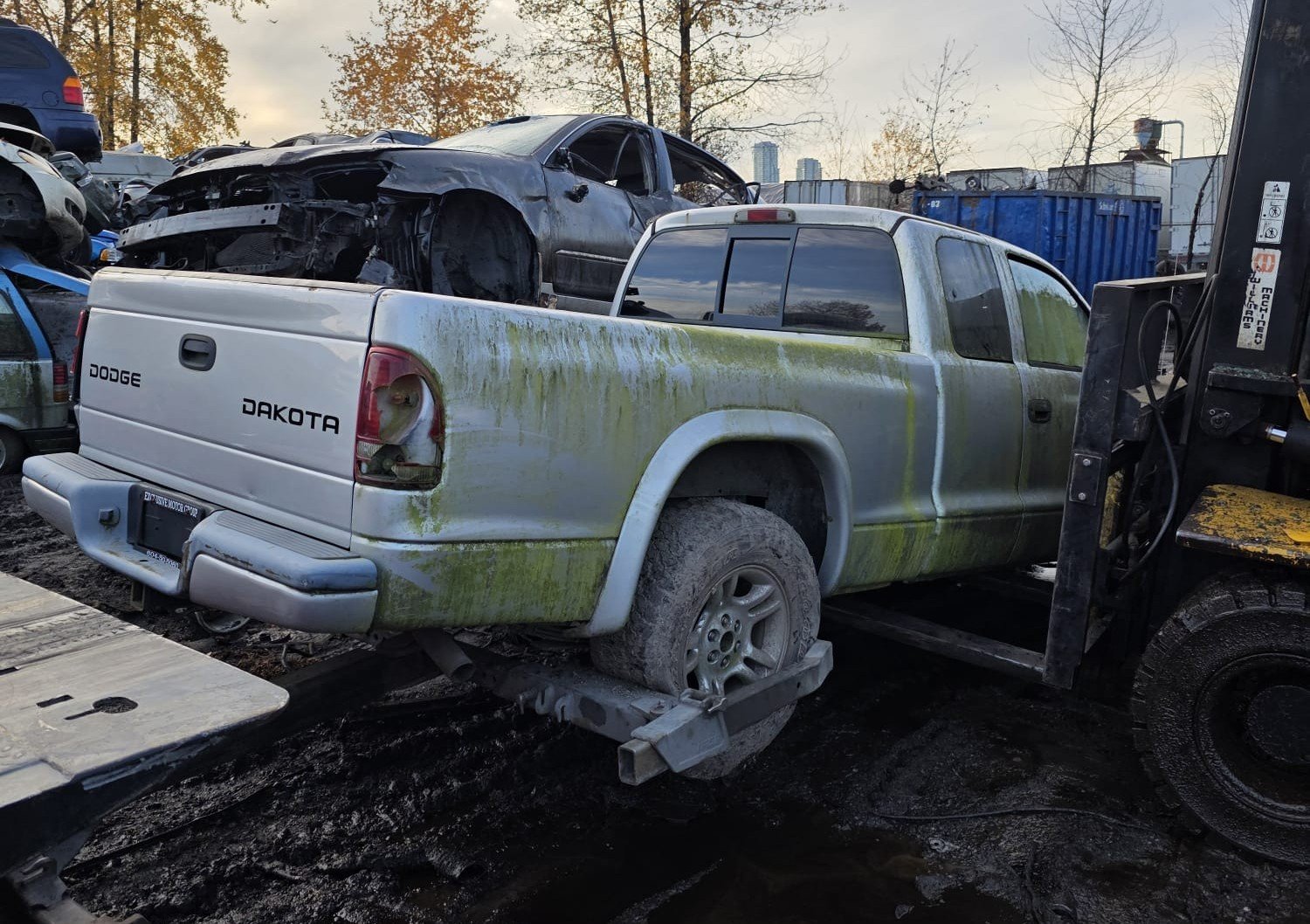
When a contractor fleet vehicle reaches the end of its useful role, the decision is rarely just about an old work van, pickup, service body, or light truck. A Vancouver contractor may need to remove a unit that is sitting between jobs, reduce the active fleet, replace a vehicle with a different configuration, or close out a vehicle that is no longer practical to keep in service. For owners working around Southwest Marine Drive, a sound vehicle-disposal conversation starts with a clear description of the vehicle, the ownership documents available, and a realistic plan for access and movement.
This is a seller-focused guide to Vancouver contractor fleet asset records. It is not a parts-shopping guide, and it does not assume a particular pickup method, price, destination, or downstream process. Each contractor can use the information below to decide what to record, what to ask, and how to keep the vehicle retirement separate from the rest of the fleet.
Define the fleet vehicle being retired
Begin by identifying the individual vehicle rather than describing the fleet in general terms. Record the year, make, model, body style, vehicle identification number, plate information, and current condition. Note whether it starts, moves under its own power, has visible damage, has been parked for an extended period, or is carrying contractor-specific equipment. A concise, factual description helps the owner ask about disposal without making claims about value, condition, or what will happen after the vehicle leaves the site.
For a business-owned vehicle, internal clarity matters too. Confirm who is authorized to make a disposal decision and who holds the registration. If a vehicle is assigned to a crew, check that company materials, tools, job files, access cards, fuel cards, parking passes, and other business property have been removed or accounted for before any handoff. Do not leave personal or client information in a cab, console, glove compartment, tablet mount, or paper work order.
Plan the Southwest Marine Drive movement separately from the transaction
The route and the ownership paperwork are different decisions. A contractor should first establish the vehicle’s weight category and the location from which it would be moved. City of Vancouver guidance states: A vehicle with a gross vehicle weight of more than 11,800 kg (26,014 lbs) must use our official truck routes and truck areas. That threshold is relevant when a heavier retired fleet unit needs to leave a site, especially when the destination is not directly on a designated route.
The City also explains that, if a destination is not on a truck route, the vehicle should use the shortest route between the destination and the closest truck route. An owner does not need to guess at routing from memory. The useful preparation is to note the vehicle’s gross weight, dimensions if known, exact departure location, and any practical access constraint such as a tight driveway, gate, loading area, or parked fleet vehicle. Those details can be discussed before a collection or transport arrangement is confirmed.
For regional planning, TransLink describes the route-planning limitation clearly: The Truck Route Planner is a pre-trip planning tool, it is not designed to provide real-time directions. The planner considers vehicle dimensions, municipal bylaws, height clearances, bridge weight limits, and major road closures on truck routes. Use a pre-trip plan as preparation, then follow current signs, site requirements, and applicable directions on the day. Do not present a generic route as suitable for every contractor vehicle or every Southwest Marine Drive location.
Keep parking and access claims factual
A contractor may be retiring a vehicle from a commercial yard, a project location, a curbside position, or a mixed-use property. The City of Vancouver notes that businesses using vehicles need to know the rules and regulations of commercial parking, including commercial loading zones and lanes. That does not mean a particular space is automatically available for a vehicle handoff. Before arranging any movement, the owner can verify the actual location, the vehicle’s position, obstructions, posted restrictions, and whether the vehicle can be approached safely.
Describe access in practical terms: “behind a gate,” “in a service lane,” “at a job site,” “in a driveway,” or “on private property with onsite contact.” If the vehicle cannot be driven, say so. If it has been altered with racks, a canopy, a service body, or identifying decals, mention that without assuming it changes what a disposal provider can accept. These are facts for a conversation, not a promise of service capability.
Separate ownership records from company records
Retiring a contractor vehicle should not leave the business uncertain about who held title or which records were transferred. ICBC says: Remove your licence plates from the vehicle you’re selling. Its used-vehicle guidance also says the seller needs the original signed insurance and vehicle registration and a Transfer/Tax Form, and recommends keeping copies of related documents if the seller cannot attend an Autoplan broker with the buyer.
Not every fleet-retirement scenario is identical, so confirm the paperwork appropriate to the actual transaction with an Autoplan broker. The point is not to assume that a disposal inquiry itself completes an ownership transfer. It is to make sure the registered owner understands the documentation before authorizing a vehicle to leave. A contractor can retain an internal file with the vehicle identification number, plate details, odometer reading where relevant, date removed from service, and copies of the signed documents connected to the handoff.
Plate and insurance decisions deserve separate attention. ICBC states that plates remain ICBC property and, if no longer needed, must be returned to ICBC or an Autoplan broker. Where the business has another vehicle to insure or plates to manage, an Autoplan broker can explain the choices that apply to that account. Avoid telling a driver or crew member to make a paperwork decision based only on an informal verbal arrangement.
Ask focused questions before choosing a vehicle-disposal option
A short, consistent intake checklist makes it easier to compare options without overstating what any provider will do. Start with the registered owner’s name, the vehicle’s basic identification, the exact location, its ability to move, its physical configuration, and any access limitations. Explain that it is a contractor fleet retirement and indicate whether a site contact will be present. Then ask what information the provider needs to assess the request and what documentation the owner should retain.
- Is the company the registered owner, and is the signed registration available?
- Have plates, insurance papers, fleet identifiers, client records, tools, and access devices been reviewed?
- Where exactly is the vehicle located, and can a vehicle reach it without assumptions about parking or access?
- Does the vehicle start and move, and are there visible condition or configuration details that should be disclosed?
- For a heavier unit, has the movement plan accounted for City of Vancouver truck-route requirements?
- What written record will the owner keep for its fleet and accounting files?
Make the retirement decision easy to audit later
A disciplined disposal file is useful even for a single vehicle. It can show why the unit was retired, who approved it, the basic condition at the time, the date it left active service, and the ownership records considered. It may also help a contractor reconcile fleet lists, insurance records, job-cost records, and physical assets. Keep the description straightforward. There is no need to speculate about resale value, future use, components, recycling outcomes, or a provider’s processes.
For contractors near Southwest Marine Drive, this approach keeps the focus where it belongs: retiring one fleet vehicle responsibly, documenting the facts, and planning the movement with local requirements in mind. It allows the business to make a clear seller-side inquiry while leaving any site-specific and transaction-specific details to the parties involved.
Discuss a contractor fleet asset-record inquiry
If you are reviewing a Vancouver contractor fleet asset-record request near Southwest Marine Drive, contact Tow & Pay Auto Recyclers at 236-242-0592 with the vehicle’s basic details, location, access notes, and ownership paperwork status. We do not sell used parts. The conversation can begin with the facts of the vehicle and the questions you need answered before making a disposal decision.
Local references: City of Vancouver truck routes and regulations; TransLink Truck Route Planner information; ICBC used-vehicle selling steps; City of Vancouver commercial and business parking.